






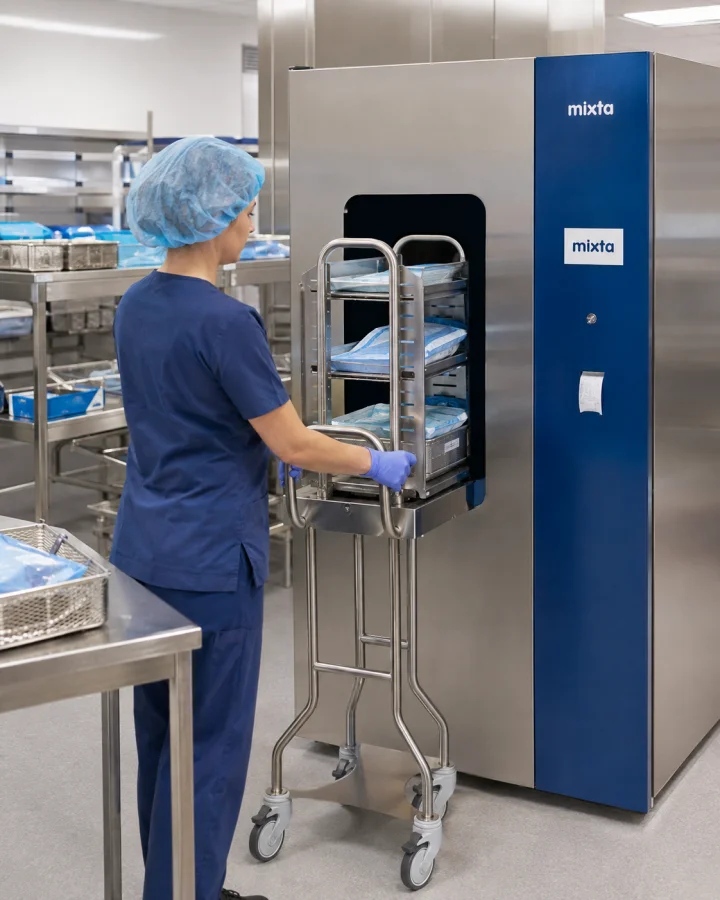
How to Choose the Right Autoclave (Steam Sterilizer) for Hospitals and Clinics
When setting up a sterilization unit or renewing your existing autoclave fleet, the first question that usually comes up is: "Which capacity and type is right for us?" An incorrectly sized autoclave creates daily operational bottlenecks and drives up energy and maintenance costs unnecessarily. Type selection becomes especially critical for hospitals that sterilize a wide range of materials — textiles, metal instruments, rubber-plastic items, and liquids. In this article, we walk through the technical criteria to consider when choosing an autoclave, the differences between types by capacity, what to look for regarding certification, and long-term maintenance and lifespan expectations — so you can clarify your needs before requesting a quote.
What Is an Autoclave and Why Is It Critical in a Hospital?
An autoclave (steam sterilizer) uses pressurized saturated steam to inactivate microorganisms — including bacterial spores — on surgical instruments, textile products, and other medical materials. Because the reliability of sterilization is directly tied to patient safety in a hospital setting, the autoclave forms the backbone of the CSSD (Central Sterile Supply Department) process.
For hospitals aiming to establish an uninterrupted and predictable sterilization workflow, autoclave selection is not simply a purchasing decision — it is an infrastructure decision that directly affects daily operating theater and clinical flow. That's why the selection process should weigh not only price but also capacity fit, cycle variety, and long-term service support together.
Autoclave Types by Capacity
Autoclaves are generally classified by liter volume and usage intensity:
- Small-volume benchtop autoclaves (approximately 18-25 liters): Suitable for small clinics, private practices, or low-volume outpatient units with limited daily sterilization needs.
- Medium-volume horizontal autoclaves (approximately 100-300 liters): Suitable for mid-sized hospitals, private clinic groups, and centers performing a high number of daily procedures. Models with the programmability to run different load types (textiles, instrument sets, rubber-plastic) through separate cycles stand out in this segment.
- Large-volume / double-door (pass-through) autoclaves: Designed for large hospitals and central sterilization units. Double-door systems that physically separate the dirty and sterile sides are an important part of meeting CSSD standards for reducing contamination risk.
When determining the right capacity, factoring in your growth plan for the next 3-5 years — not just your current procedure volume — helps you avoid needing a second investment shortly after the first.
Cycle Types and Programmability
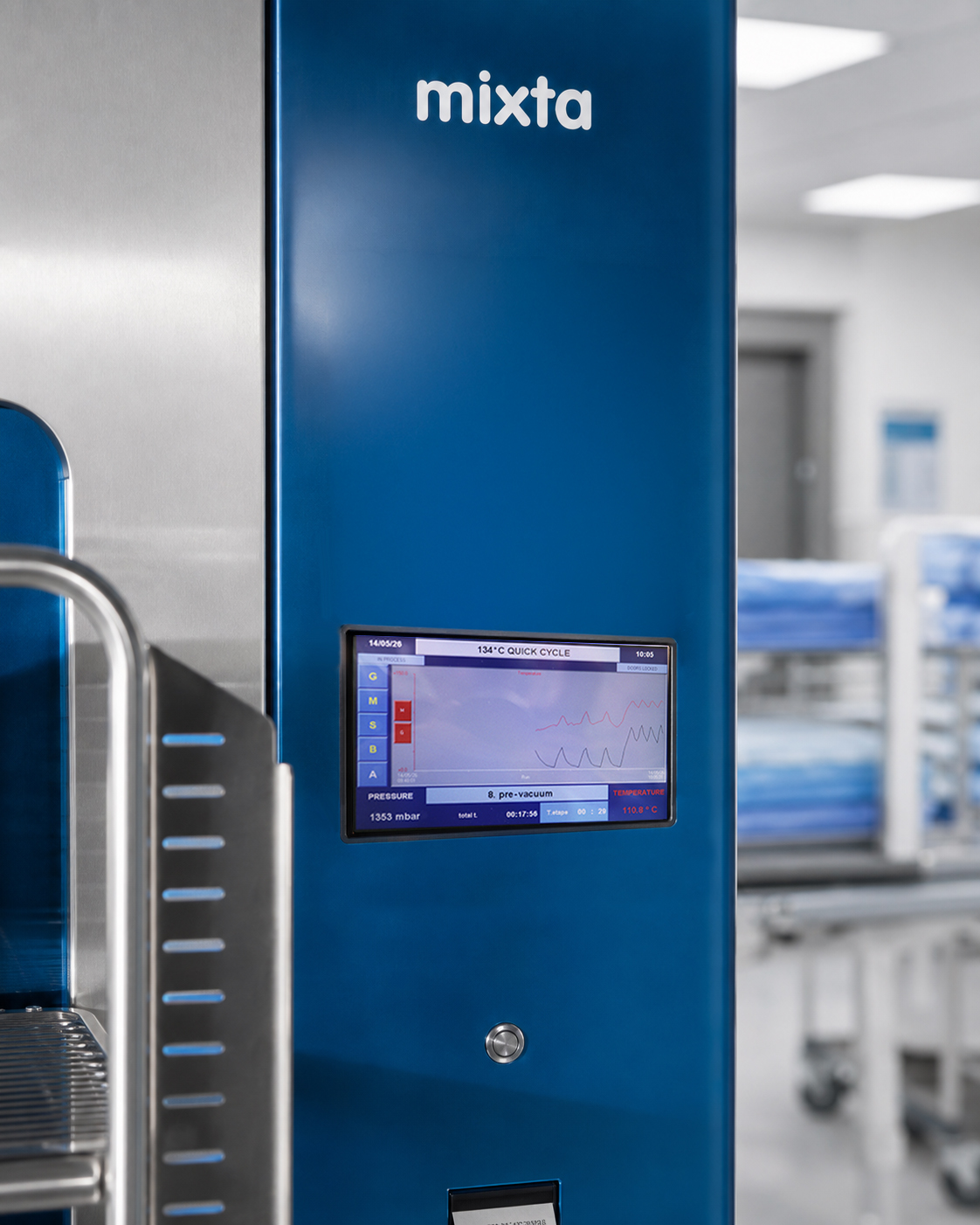
Different material types require different sterilization cycles: a standard steam cycle for metal instruments, a pre-vacuum cycle for textiles and porous materials, and low-temperature cycles for rubber-plastic and delicate materials. When choosing an autoclave, it's important to check how many different cycle types it supports based on the variety of materials your hospital processes, and how easily those cycles can be managed by staff.
Cycle tracking and record-keeping (batch logging, printer output, or digital logs) have also become an expected feature for most hospitals today, both operationally and for audit purposes.
Certification and Standards Compliance
When purchasing hospital sterilization equipment, a manufacturer's compliance with quality and safety standards is an important evaluation criterion. Requesting technical documentation and relevant certificates from your manufacturer makes it easier to make an informed decision before purchase. At Mixta, we provide our certificates and technical documentation upon request; you can ask our sales team for the technical file specific to your needs.
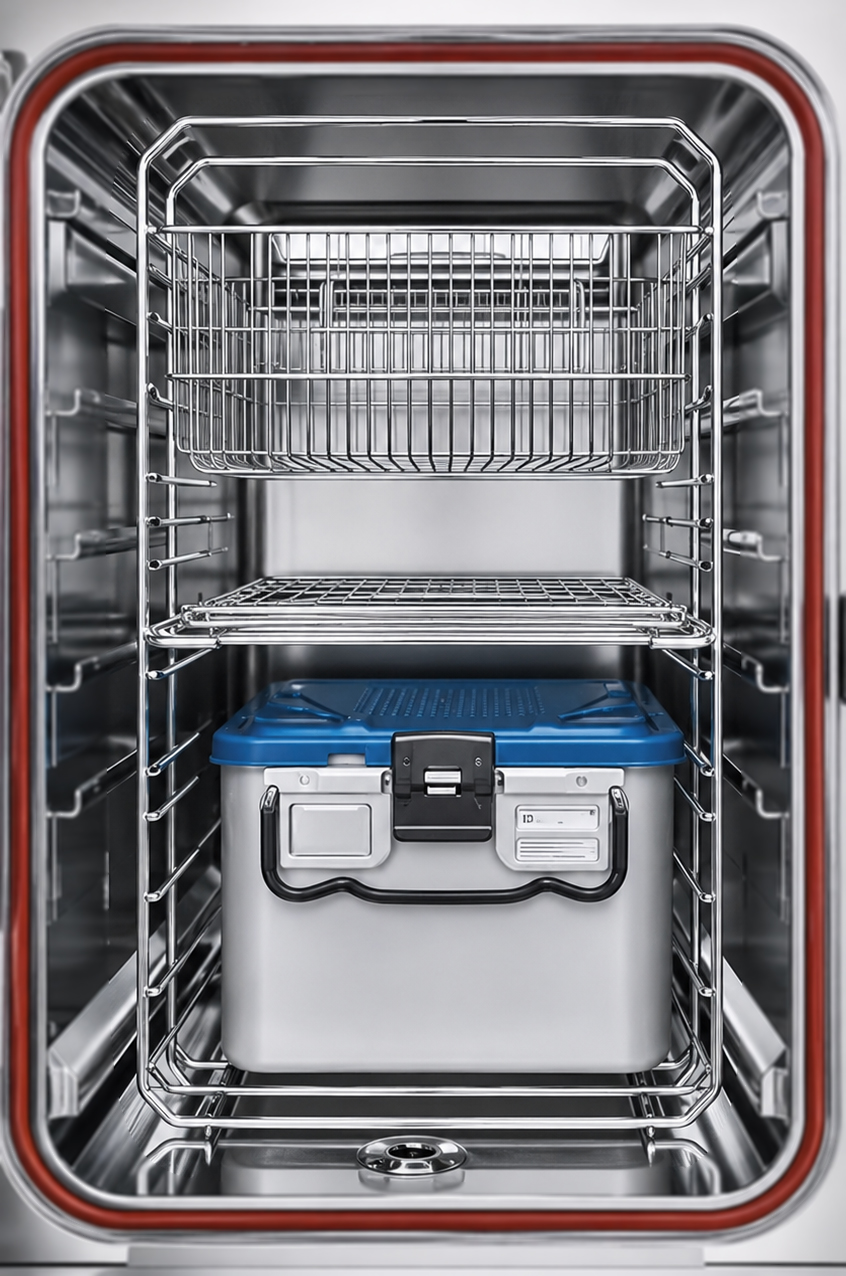
Beyond standards compliance, the grade of stainless steel used in the pressure vessel construction is also worth examining for long-term safety and durability.
Maintenance, Service, and Equipment Lifespan
The total cost of owning an autoclave is not limited to the purchase price; spare parts availability, service response time, and turnaround in case of a breakdown are all significant parts of that cost. This is especially critical for hospitals where the operating theater must run without interruption — the ability to quickly replace or service a failed autoclave matters for operational continuity.
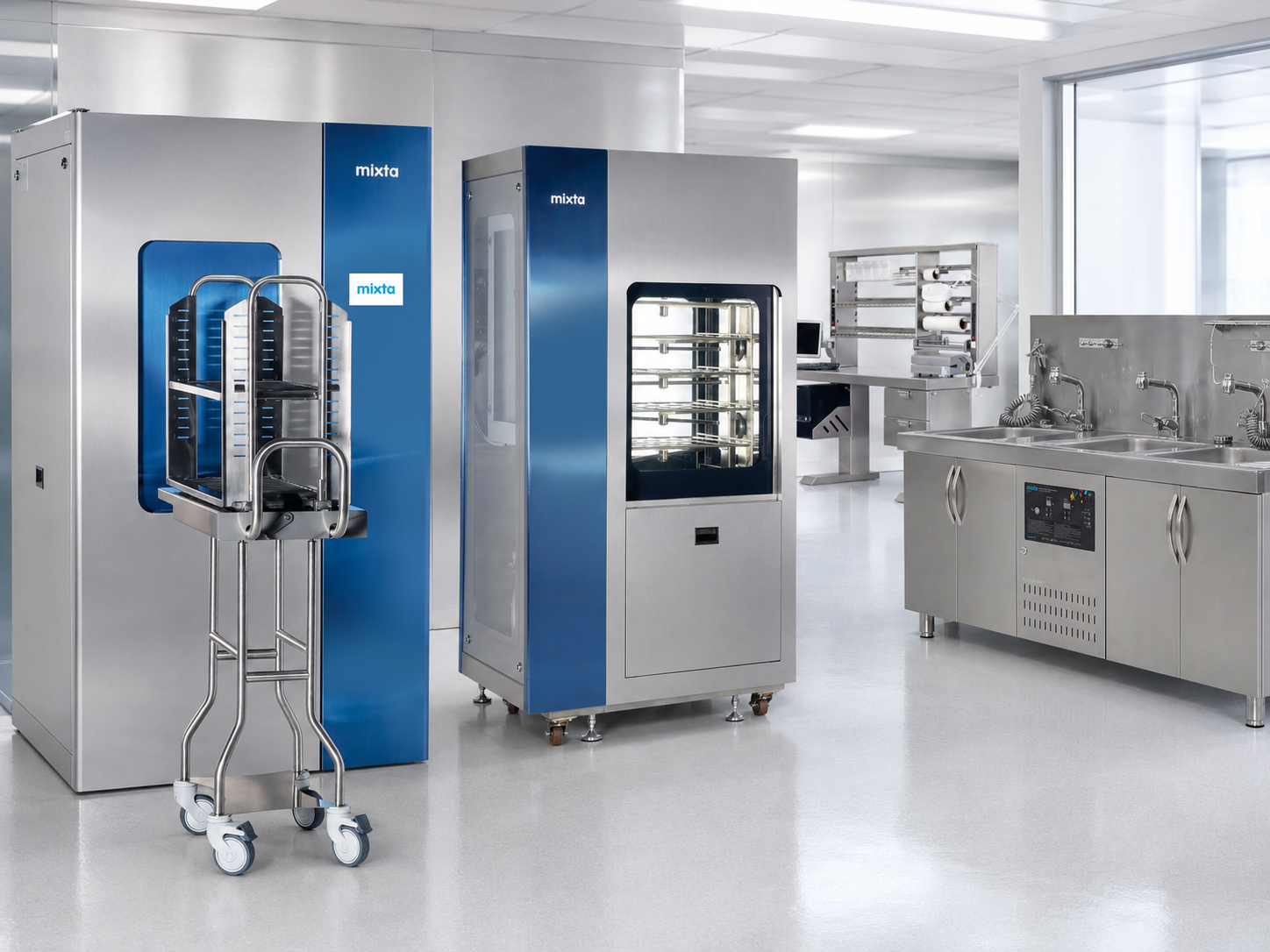
Sourcing both the autoclave and related sterilization equipment (washer-disinfectors, ultrasonic cleaners, storage units, and similar) from a single manufacturer also simplifies service and spare parts processes — working with one point of contact instead of multiple suppliers saves time, particularly for hospitals that need several product categories at once.
Request our technical catalog for detailed information on autoclave models, capacity options, and technical specifications Contact.
Questions to Ask When Choosing the Right Autoclave
Before moving to the decision stage, it helps to clarify the following: What is your average daily/weekly sterilization load, and what growth do you expect? Which material types (textile, metal, rubber-plastic) do you sterilize regularly? What are the physical constraints of your current CSSD space (door width, electrical/steam infrastructure)? How fast is your supplier's service and spare parts support? The answers to these questions are the key inputs needed for a quote that truly fits your needs.
A Long-Term Investment That Fits Your Needs
Choosing the right autoclave is a decision process that weighs capacity, cycle variety, standards compliance, and long-term service support together. With over 20 years of experience, a broad range of more than 600 sterilization and hospital equipment products, and unlimited customization capability, Mixta aims to be the single address for hospitals and distributors throughout this process — providing full-scope supply from operating theater to mortuary, and from sterilization to veterinary, from one manufacturer.
Get in touch with our team for autoclave and sterilization unit solutions tailored to your needs, and let us prepare your custom quote.
Hello!
Can I help you?
08:34